Feeding America Riverside San Bernardino — Hunger Action Month

Here’s who’s running for Redlands Unified school board Area 1

Compare Patty Holohan and Dale Broome on the issues, campaign finances and endorsements ahead of the Nov. 3 election.

Here’s who’s running for Redlands Unified school board Area 1

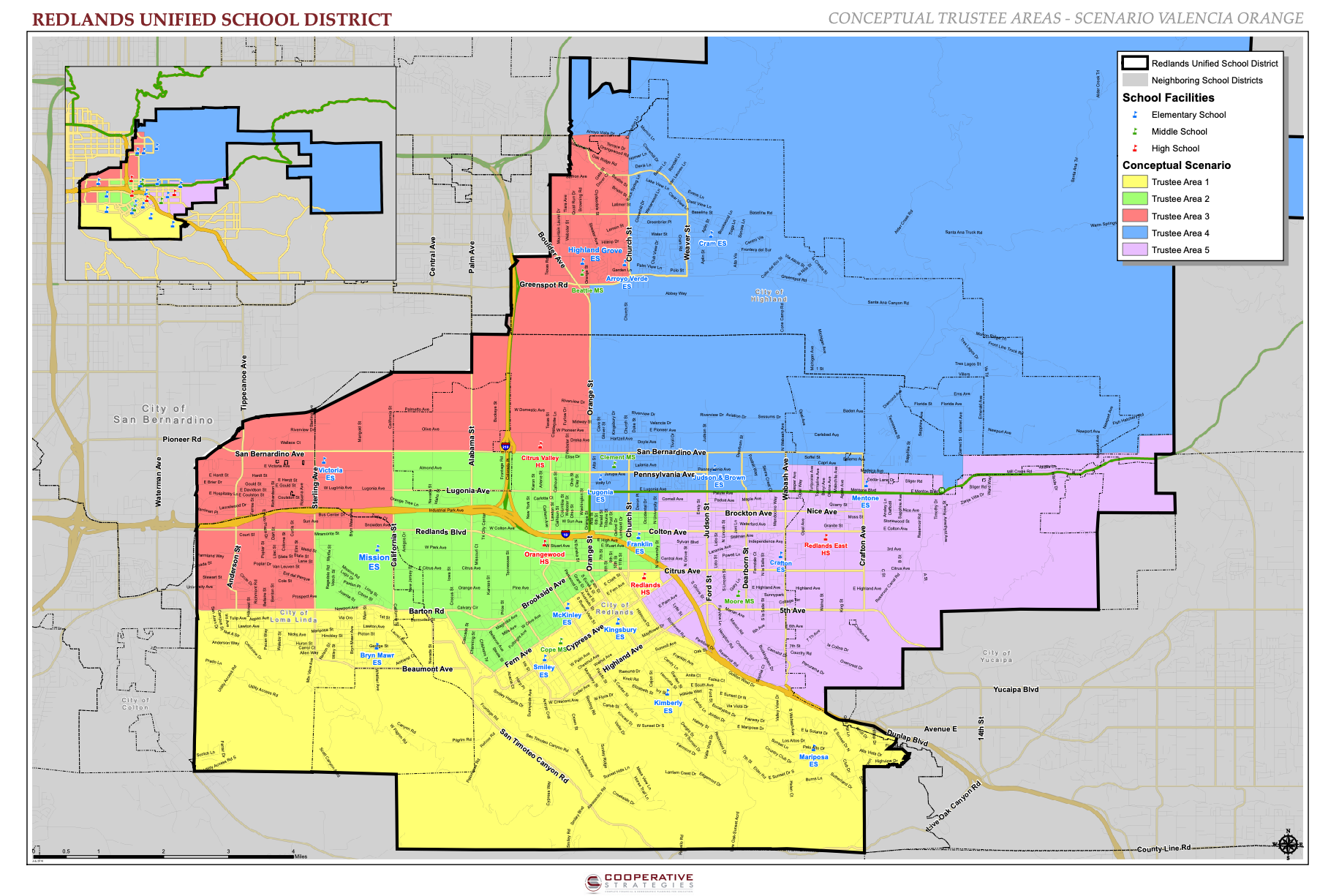
Two seats on the Redlands Unified School Board of Trustees are up for election on Tuesday, Nov. 3, 2026. Seats for Trustee Area 1 (Yellow) and Area 2 (Green) are on the ballot.

Meet the candidates running in Area 1

Patty Holohan

Patty Holohan

Area 1 • Redlands Unified School District Member, Governing Board Area 1

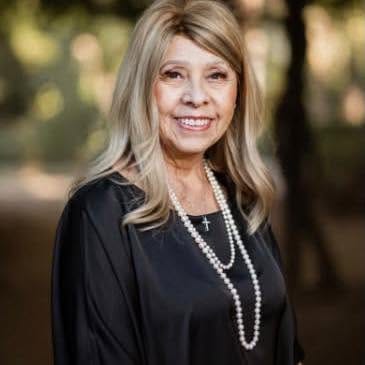
Patty S. Holohan is the incumbent Redlands Unified School District Board of Education member for Area 1 and currently serves as board vice president. A Redlands native and RUSD graduate, Holohan is seeking a sixth term. Her campaign highlights the district’s expansion of academic and career programs, investments in school facilities and passage of the $500 million Measure D school bond.

Visit campaign website
Candidate Q&A
Q: Why are you running for the Redlands Unified school board, and what experience would you bring to the position?

Redlands is my home. I grew up here, attended Redlands schools, raised my family in this community, and have spent much of my life giving back to a community that gave so much to me.

I continue to serve on the Redlands Unified Board of Education because I believe deeply in public education and in the opportunities our schools create for students. Serving on the Board has never been about a title for me. It is about showing up, listening, asking questions, supporting our schools, and making decisions that keep students at the center.

Over the years, I have seen our district through tremendous successes and very difficult challenges. That experience has taught me that strong schools require more than any one person or program. They require dedicated teachers and staff, involved families, responsible leadership, and a community willing to work together.

I am running because there is still important work ahead. I want to continue strengthening academics, keeping our schools safe, being responsible with taxpayer dollars, supporting our employees, and building the partnerships that make Redlands such a special place to learn and grow.

Q: What are the three biggest challenges facing Redlands Unified right now, and what would you do to address them?

I believe our three biggest challenges are academic achievement, student safety and well-being, and maintaining strong programs while being fiscally responsible.

First, we must continue improving academic outcomes, particularly in reading and math. That means looking carefully at student data, identifying where students need additional support, investing in effective intervention, and making sure our teachers have the tools and resources they need.

Second, students and employees must feel safe at school. Safety includes secure campuses, but it also means creating an environment where students feel respected, supported, and comfortable reporting concerns. We must continue investing in prevention, training, campus safety improvements, and partnerships with families and community agencies.

Third, we have to make difficult financial decisions responsibly. Our responsibility is to protect the classroom as much as possible while ensuring that the programs we fund are producing meaningful results for students.

These challenges are connected. Students learn best when they are safe, supported, challenged academically, and surrounded by excellent employees. My role as a Board member is to keep asking whether our decisions are moving us toward those outcomes.

Q: Redlands Unified continues to face challenges in student achievement, particularly in reading and math since the COVID-19 pandemic. What specific steps would you support to improve academic outcomes across the district?

Improving student achievement has to begin with understanding where our students are and responding to what the data tells us.

I support strong early literacy, targeted math intervention, additional learning opportunities for students who need them, and regular monitoring to determine whether those efforts are working. When students begin to fall behind, we cannot wait until high school to intervene. Support needs to begin early and continue throughout a student's education.

I also believe we have to support the people doing this work every day. Our teachers and staff know their students, and they need quality instructional materials, professional development, manageable systems, and the ability to focus their time and energy on teaching and learning.

At the same time, success should not be defined by one test score. We should prepare students for what comes after graduation, whether that is a four-year university, community college, career technical education, the military, or entering the workforce.

Our goal should be both high expectations and the support necessary for every student to reach them.

Q: Redlands Unified, like many California school districts, has struggled with chronic absenteeism since the COVID-19 pandemic. What would you do to improve attendance?

Attendance is directly connected to student success. We can have excellent teachers, strong programs, and great opportunities, but students have to be in school to benefit from them.

At the same time, chronic absenteeism is not something we solve simply by telling families that attendance matters. We have to understand why a student is missing school. The reason may be transportation, health, family circumstances, disengagement, academic struggles, or a student not feeling connected to school.

I support using attendance data to identify concerns early and having schools work directly with students and families before absences become a pattern. We should connect families with available resources, strengthen school-family communication, and make sure students feel that there is an adult at school who knows them and cares whether they are there.

We also need to make school a place students want to attend. Athletics, arts, clubs, career programs, activities, and positive relationships all contribute to a student's connection to school.

Attendance is everyone's responsibility (such as schools, families, students, and the community) and improving it requires all of us working together.

Q: When the district faces competing demands and limited resources, which programs or services would you prioritize in the budget, and why?

When resources are limited, our first question should always be: How will this decision affect students?

I would prioritize the classroom and the people and programs that have the greatest direct impact on student learning and safety. That includes strong teachers and support staff, academic intervention, special education, student mental health and well-being, campus safety, and programs that provide students with meaningful pathways to graduation and beyond.

At the same time, being supportive of programs does not mean we stop asking difficult questions about effectiveness. We have a responsibility to taxpayers to evaluate what we fund, look at measurable outcomes, eliminate unnecessary duplication, and make adjustments when something is not producing results.

I also believe we should protect opportunities that keep students connected to school, including career technical education, athletics, arts, extracurricular activities, and other programs that help students discover where they belong and what they want to pursue.

Budget decisions are rarely easy. My responsibility as a Board member is to balance what we would like to provide with what we can responsibly sustain, while protecting student learning as much as possible.

Q: RUSD has faced several incidents of racial harassment involving students, including incidents substantiated through district investigations. The district now faces a civil rights lawsuit alleging it failed to adequately protect two Black students from repeated harassment. What should the district do to prevent and respond to racism and discrimination in its schools, and how would you evaluate whether those efforts are working?

Every student deserves to come to school knowing they will be treated with dignity and respect. Racism, discrimination, harassment, and bullying have no place in our schools, and concerns must be taken seriously.

Because there is pending litigation, I cannot comment on the specific allegations or circumstances of that case. I can speak to what I expect of our district: students and families need clear ways to report concerns, employees need training to recognize and respond appropriately, reports need to be addressed promptly and consistently, and students who experience harassment need to know that adults will listen and act.

Prevention is equally important. We should continue teaching respect, strengthening school culture, engaging families, and helping students understand that they have a responsibility not only for their own behavior, but also for how they treat one another.

Accountability also requires measurement. I would look at reported incidents, response times, repeat incidents, school climate data, student and family feedback, and whether students feel safe reporting concerns.

Policies matter, but our real measure of success is whether students experience our schools as safe, respectful places where they belong.

Q: Debates over library books, Pride flags, gender identity and parental rights have been prominent at Redlands Unified school board meetings in recent years. What role do you believe the school board should play in these issues, and what principles would guide your decisions?

School board members are elected to govern a public school district that serves thousands of students and families with different backgrounds, beliefs, and perspectives. I take that responsibility seriously.

When difficult or controversial issues come before the Board, my responsibility is to listen respectfully, review the facts, understand applicable law and district policy, and consider how a decision will affect students, families, and employees. I do not believe decisions should be driven by whichever side is the loudest at a particular meeting.

Parents are essential partners in their children's education, and their questions and concerns deserve to be heard. At the same time, our district has a responsibility to provide a safe and appropriate educational environment for every student we serve.

My guiding principles are student safety, academic success, respect, parental involvement, transparency, fairness, and compliance with the law.

People will not always agree with every decision a school board makes. That is part of public service. My commitment is to listen, remain respectful, ask questions, and make decisions based on what I believe best fulfills our responsibility to the students and families of Redlands Unified.

Endorsements identified by CFR
Elected officials
  • Pete Aguilar, U.S. Representative, 33rd Congressional District of California
  • James C. Ramos, California State Assembly, 45th Assembly District
  • Joe Baca Jr., San Bernardino County Supervisor, 5th District
  • Josie Gonzales, San Bernardino County Assessor-Recorder-County Clerk
  • Ted Alejandre, San Bernardino County Superintendent of Schools
  • Mario Saucedo, Mayor, City of Redlands
  • Paul Barich, Council Member, City of Redlands
  • Denise Davis, Council Member, City of Redlands
  • Melissa Ayala-Quintero, Redlands Unified School Board
  • Joe Baca Sr., Mayor, City of Rialto
  • Nathan D. Gonzales, Ph.D., Board Chair, San Bernardino Community College District
  • Chris Carillo, Vice Chairman, East Valley Water District
Former officials
  • Barbara Riordan, former San Bernardino County Supervisor
  • Carole Beswick, former Mayor, City of Redlands
  • Mick Gallagher, former Council Member, City of Redlands
  • Pat Kohlmeier, former Redlands Unified School Board member
  • Jim O’Neill, former Redlands Unified School Board member
  • Neal Waner, former Redlands Unified School Board member
  • Bob Hodges, former Redlands Unified Superintendent
  • Lori Rhodes, former Redlands Unified Superintendent
Organizations
  • Redlands Teachers Association
  • Redlands Education Support Professionals Association

An endorsement is a statement of support and does not by itself mean money was given.


Dale Broome

Dale Broome

Area 1 • Physician/Grandfather

Dale Broome is a physician and former associate professor at Loma Linda University who is running for the Redlands Unified School District Board of Education in Area 1. A father of two RUSD graduates, Broome’s campaign emphasizes improving academic achievement, respecting parental rights, supporting teachers and keeping what he describes as social and political agendas out of classrooms. He also supports restricting girls’ sports and private spaces based on biological sex.

Visit campaign website
Candidate Q&A
Q: Why are you running for the Redlands Unified school board, and what experience would you bring to the position?

To provide all students a high-quality education without promoting social agendas in the classroom. Respect parental rights and keep parents well-informed of all things related to their child’s education. Protect girls’ sports and private spaces and ensure a safe learning environment for all students.

Q: What are the three biggest challenges facing Redlands Unified right now, and what would you do to address them?

Academics – Our district needs to significantly improve academics and educational outcomes – including improving test scores and graduation rates, and better preparing our kids for college and careers (more below).

Budget and staffing – RUSD Board must ensure that we maintain a balanced budget, avoid deficit spending, reduce administrative costs, trim waste and staff our schools with top-notch teachers. Our spending priorities must be centered on student academic instruction. Other necessary spending for staff and salaries, facilities and maintenance, and administrative costs must align with the primary goal of academic instruction. Unfunded state mandates for non-academic matters should be of lower priority.

Title IX compliance and protection of our students from discrimination, harassment, bullying, intimidation, retaliation, and sexual predators. As board members, we must ensure careful screening of employees, proper training, and follow-up and reporting of complaints. We must meet the requirements of the stipulated judgment with the Office of the Attorney General for the next 3 years and, thereafter, continue best practices to protect our students.

Q: Redlands Unified continues to face challenges in student achievement, particularly in reading and math since the COVID-19 pandemic. What specific steps would you support to improve academic outcomes across the district?

To improve student academic achievement, I would support:

  • The current Board’s goal of reading proficiency by 3rd grade. Testing of late 2nd graders to determine which students need special intervention by 3rd grade. If a student is not reading-proficient, they will struggle to progress academically in subsequent grades because they have to be able to read to learn.
  • The current Board’s goal of Math intervention in middle school (and add Science intervention) to continue to engage and challenge students to progress in these subjects and consider STEM careers.
  • Support PLCs – Professional Learning Communities and targeted intervention for struggling students to help bring them up to grade-level learning expectations.
  • Expand Dual Language Immersion learning program to additional elementary schools to meet the demand of parents seeking this education for their child.
  • Expand Career Technical Education courses for trade career preparation and Dual Enrollment classes for students who are college-bound.
Q: Redlands Unified, like many California school districts, has struggled with chronic absenteeism since the COVID-19 pandemic. What would you do to improve attendance?

To avoid chronic absenteeism (> 10% of school days), our schools must intervene early – establishing communication with the student and parents to understand the cause of the student’s absence and how best to help them. The schools can pass along missed assignments, books, worksheets, and teaching video links so that the student can continue learning while at home or in the hospital. Regular follow-up is essential. Communication with the student and parents should emphasize how much the student is missed and needed in school, encouraging notes from class members and upcoming fun and celebratory school activities that we don’t want the student to miss.

Teachers and administrators must create in our schools, and convey to absent students, a culture of optimism and hope for a fresh start in that child’s education. With more prolonged absenteeism, written and verbal communication must be made with the parents about the state’s mandate for compulsory education and parents’ legal responsibility to ensure their child’s attendance or enrollment in a homeschool or private education program. Alternative paths of education can be presented, including RUSD’s E-Academy for homeschooling. For chronic absenteeism with no alternative educational plan in place, Social Services and truancy law enforcement intervention will be required.

Q: When the district faces competing demands and limited resources, which programs or services would you prioritize in the budget, and why?

In terms of budgetary demands, we must first prioritize student academic instruction and paying the teachers and other personnel who accomplish this goal. Sports, extracurricular activities, after-school programs and social service programs should be of lower priority. Unfunded state-mandated programs should be of the lowest priority.

Q: RUSD has faced several incidents of racial harassment involving students, including incidents substantiated through district investigations. The district now faces a civil rights lawsuit alleging it failed to adequately protect two Black students from repeated harassment. What should the district do to prevent and respond to racism and discrimination in its schools, and how would you evaluate whether those efforts are working?

Students should receive teaching and training on the proper respect for and manners toward teachers, administrators, adults, parents, and fellow students. They must be taught the equality and intrinsic value of all men, women and children as human beings created in the image of God, regardless of skin color, race, national origin, sex, sexual orientation, or ethnic or religious background. They must understand what harassment is, how that makes a person feel and how it impacts their school attendance and ability to learn. They must be challenged to exhibit self-control of their thoughts, anger, language and behavior. Violence, vulgarity, discrimination, bullying, and racial/gender/sexual slurs toward fellow students or school staff will not be tolerated and will be appropriately punished. The District must continue and make known to students and faculty the process of reporting such harassment and ensure that all complaints are followed up and responsible individuals are counseled and/or disciplined.

Q: Debates over library books, Pride flags, gender identity and parental rights have been prominent at Redlands Unified school board meetings in recent years. What role do you believe the school board should play in these issues, and what principles would guide your decisions?

The Board should play an active role in preserving and respecting parental rights and pass a Parental Notification policy of changes to a student’s official record. No staff should be allowed to lie or deceive a parent regarding a student’s gender transitioning in school.

Pride flags and other social agenda flags have no place in the classroom and should not be posted on school property (flag poles, walls, teacher’s desks or RUSD social media posts). The Board has every right to set policies in place to restrict this sort of activity. Students have freedom of speech rights to display such images on their clothing or apparel. But teachers do not have this sort of freedom of speech while working for the state and school district.

RUSD schools should not teach gender ideology or promote transgenderism. The district should not discriminate against students with gender dysphoria in terms of their education or employment. But they should use bathroom facilities that conform to the biologic sex or use single stall unisex bathrooms. The Librarians and School Board have an obligation to keep sexually graphic books out of school libraries. I applaud the Board’s current decision to pass a revised library book appeal process.

Endorsements identified by CFR
Elected and former elected officials
  • Rosilicie Ochoa Bogh, California State Senate, 19th District
  • Jay Obernolte, U.S. Representative, 23rd Congressional District of California
  • Rhodes Rigsby, Council Member, City of Loma Linda
  • Ovidiu Popescu, Council Member, City of Loma Linda
  • Penny Lilburn, Mayor, City of Highland
  • Larry McCallon, Council Member, City of Highland
  • Sonja Shaw, Board President, Chino Valley Unified School District, and candidate for California Superintendent of Public Instruction
  • Candy Olson, Redlands Unified School Board
  • Jeannette Wilson, Redlands Unified School Board
  • Rita Fernandez-Loof, San Bernardino County Board of Education, Area B
  • Chad Bianco, Riverside County Sheriff
  • Mike Morrell, former California State Senator
PACs and organizations
  • San Bernardino County GOP
  • Inland Empire Family PAC
  • California Republican Assembly
  • Reform California
  • Redlands Tea Party Patriots
  • Awaken Redlands
  • California Rifle & Pistol Association PAC

An endorsement is a statement of support and does not by itself mean money was given.


Great! You’ve successfully signed up.

Welcome back! You've successfully signed in.

You've successfully subscribed to Community Forward Redlands News.

Success! Check your email for magic link to sign-in.

Success! Your billing info has been updated.

Your billing was not updated.