

Newsletter
Redlands budget cuts, District 1 candidates + Voting Matters
Redlands News | September 24, 2026

Redlands News | September 24, 2026

Openings are available on the Human Relations, Cultural Arts and Municipal Utilities/Public Works commissions, with application deadlines beginning Sept. 29.
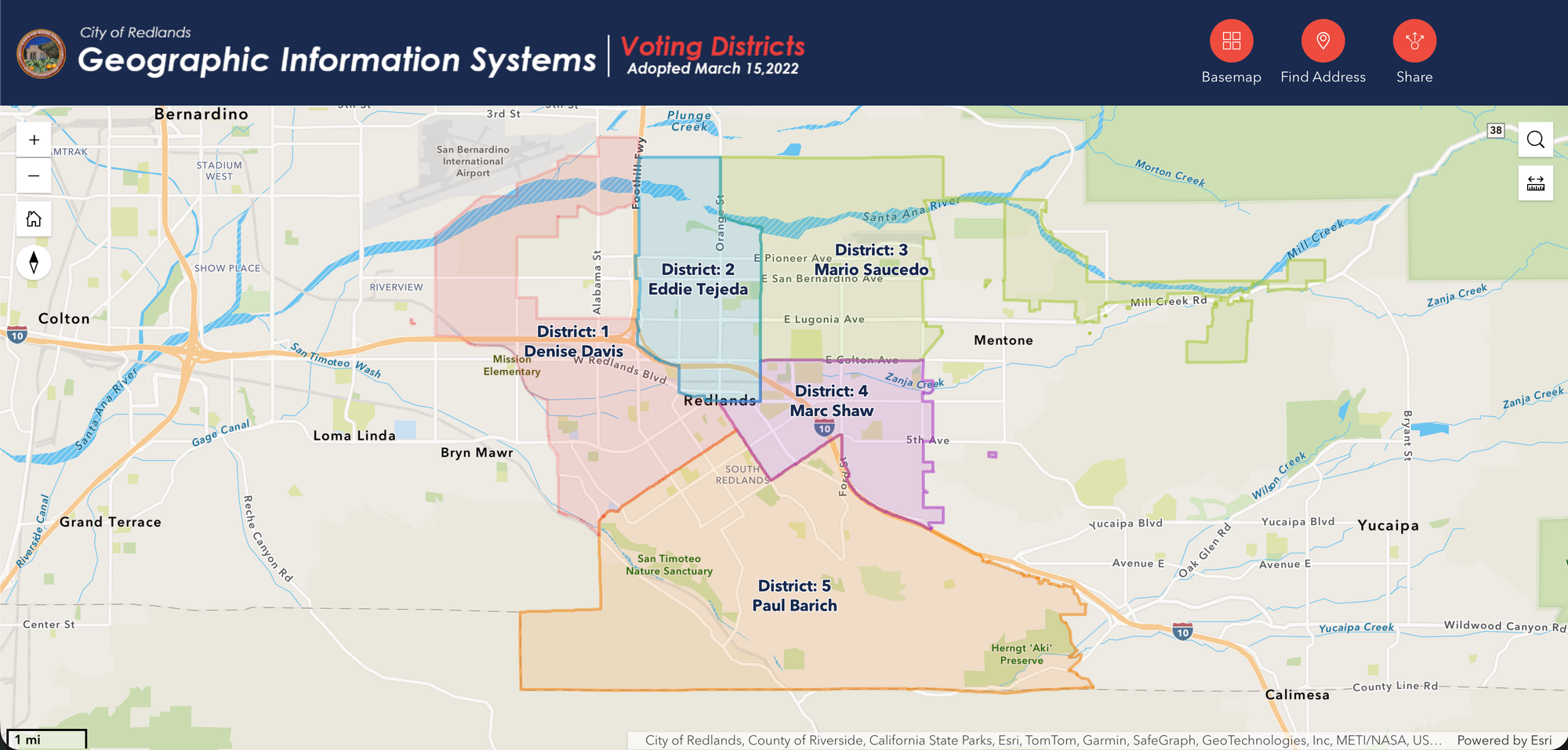
Three candidates are competing to represent District 1 on the Redlands City Council. Here’s what they say about their priorities and the issues facing the city.

On the ballot: Redlands City Council seats for Districts 1, 3 and 5 are up for election on Nov. 3, 2026.
The District 3 seat, held by Mayor Mario Saucedo, and the District 5 seat, held by Council Member Paul Barich, are uncontested.
Three candidates are running for the District 1 seat, currently held by Council Member Denise Davis.
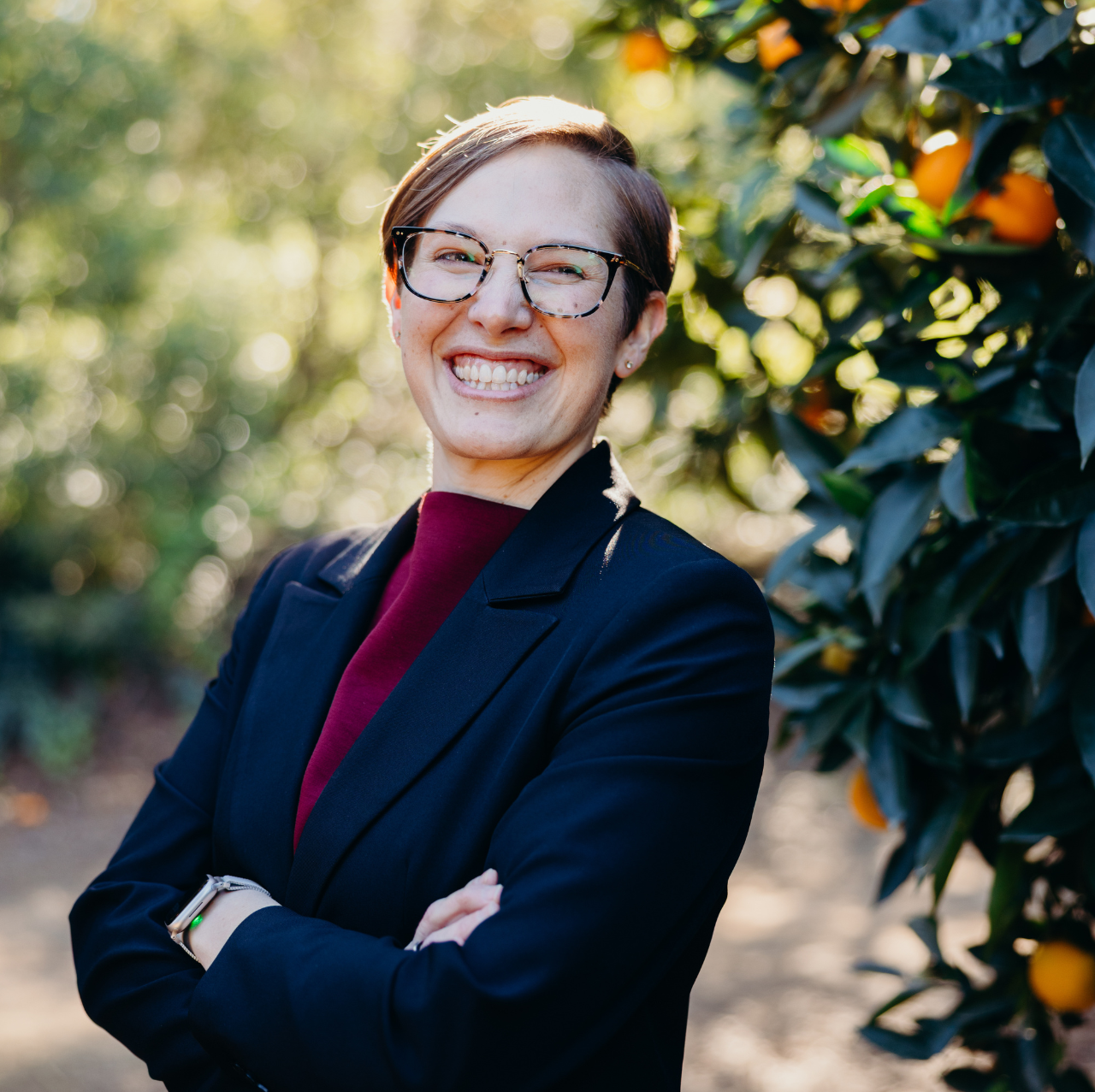
Denise Davis is a Redlands City Council member representing District 1, where she was first elected in 2018. During her time on the council, she has served as mayor pro tem and on several city and regional committees, and she launched the Redlands Youth Council to engage local high school students in city government. Her campaign highlights housing and homelessness, support for local businesses, public safety and community programs among her priorities.
Visit campaign websiteI am running for a third term because I love Redlands and believe there is more work to do to ensure our city remains a place where people across generations and income levels can thrive. After nearly eight years on the City Council, I bring both experience and a record of getting things done.
During my tenure, I have helped secure over $40 million in state funding to address homelessness, initiated efforts toward an inclusionary housing policy, championed investments in fire and paramedic services, advanced climate and sustainability initiatives, and created a Food Security and Child Nutrition Task Force. I have also represented Redlands regionally, including through my service with Omnitrans, CONFIRE and the newly created San Bernardino County Regional Housing Trust.
Professionally, I have spent more than 18 years in higher education and currently work in governmental and community relations at UC Riverside, where I build partnerships and work on public policy at the local and state levels.
I am running because experience matters, but so do accessibility, empathy, and the willingness to listen. I want to continue bringing all four to City Hall.
My top three priorities are strong public services and infrastructure; housing affordability and community well-being; and thoughtful, sustainable growth.
First, we must invest in the fundamentals residents depend on every day: public safety and paramedic services, roads, water infrastructure, parks, libraries, and a strong city workforce. As Redlands grows, our public services must keep pace.
Second, Redlands must remain a community where people at different stages of life and income levels can afford to live. That means increasing attainable housing, addressing homelessness, supporting food security, and strengthening partnerships that help residents before they reach a crisis.
Third, growth must be thoughtful. I support economic development that strengthens our tax base and creates good jobs while protecting established neighborhoods, our historic character, open space, and the environment. I want Redlands to grow in ways that improve residents’ quality of life rather than simply adding development for development’s sake. Across all three priorities, I will continue emphasizing transparency, community engagement, and responsible fiscal management.
Our first responsibility is maintaining the infrastructure residents already rely upon. Redlands should prioritize streets and sidewalks, water and wastewater systems, stormwater infrastructure, parks and public facilities, and the infrastructure necessary to maintain strong police, fire, and emergency response.
I am particularly concerned about ensuring our public safety infrastructure keeps pace with growth. I have consistently advocated for additional firefighters, paramedic capacity, apparatus, and facilities because response times and emergency services directly affect residents’ safety.
We also need to think about infrastructure through the lens of climate resilience. Investments in our urban tree canopy, shade, water conservation, energy resilience, and infrastructure that can withstand increasingly extreme heat and weather are becoming necessities rather than amenities.
Finally, we need strong long-term capital planning, appropriate development impact fees, and aggressive pursuit of county, state, federal, and regional funding so that we can address deferred maintenance without placing the entire burden on local taxpayers.
Public safety is one of the most fundamental responsibilities of local government. Redlands must have sufficient firefighters, paramedics, police officers, dispatchers, equipment, and facilities to meet the needs of a growing community.
I have been particularly focused on strengthening our fire and emergency medical capacity. Residents experiencing a medical emergency should have confidence that appropriately trained personnel can reach them quickly. I have advocated for additional staffing, paramedic capacity, fire stations, and apparatus, and I will continue making those investments a priority.
At the same time, public safety should be comprehensive. Not every community problem is best addressed through law enforcement. Mental health crises, homelessness, substance use, youth intervention, traffic safety, and emergency preparedness often require partnerships among police and fire departments, healthcare providers, social services, schools, nonprofits, and county agencies.
I also believe strongly in community-based public safety. Our departments are most effective when residents trust them. That requires transparency, accountability, strong training, community engagement, and relationships that are built before an emergency occurs.
Property owners have rights, but development decisions also have consequences for surrounding neighborhoods and the broader community. The city’s responsibility is to apply clear, consistent standards and ensure that development serves Redlands’ long-term interests.
I evaluate projects based on several considerations: consistency with our General Plan and zoning requirements; impacts on traffic, air quality, infrastructure, water, public health and safety, and the environment; compatibility with surrounding neighborhoods; fiscal impact; and the overall community benefit.
Community input must also matter. Residents living near a proposed development often understand neighborhood conditions in ways that cannot be captured entirely in a staff report. They deserve meaningful opportunities to participate early in the process.
I also believe we need to distinguish between different kinds of growth. Housing, neighborhood-serving businesses, and projects that create good jobs can provide substantial community benefits. Conversely, I have raised concerns about warehouse development and have long been opposed to it because of its cumulative impacts on traffic, air quality, land use, and nearby residents.
Growth should make Redlands stronger—not simply bigger.
Climate resilience is a public safety issue, and Redlands should be preparing now rather than reacting after disasters occur. That means strengthening wildfire prevention and emergency preparedness, protecting our water supply, expanding shade and our urban tree canopy, improving energy resilience, and ensuring residents have access to cooling and other resources during extreme heat.
I have worked to elevate climate resilience during my Council service, including helping establish a Climate Policy Council and supporting the creation of a full-time Sustainability Coordinator position at the city. I have also advocated for cooling centers and better planning for extreme heat and power outages.
Importantly, climate impacts are not experienced equally. Some Redlands neighborhoods face substantially greater heat, pollution, and environmental vulnerability than others. Our investments should reflect those disparities.
We should also strengthen neighborhood-level preparedness so residents know what to do during wildfires, power outages, extreme heat, and other emergencies. Partnerships with community organizations like ANCA and the Map Your Neighborhood Program, as well as the University of Redlands, utilities, and regional agencies can help us accomplish that. Preparing for climate change is ultimately about protecting people, property, infrastructure, and the long-term livability of Redlands.
Local government cannot solve California’s housing affordability crisis alone, but we have tools we should use. I support creating more housing across a range of price points, particularly housing affordable to working families, seniors, young adults, and those with lower incomes.
I initiated the Council discussion that led Redlands toward an inclusionary housing policy because simply producing more market-rate housing does not guarantee affordability. I support inclusionary requirements, incentives for affordable housing, appropriate infill and transit-oriented development, accessory dwelling units, and partnerships with affordable housing developers and nonprofit organizations.
I do not support a one-size-fits-all approach to development or policies that ignore local conditions. Housing policy should consider neighborhood context, infrastructure, environmental impacts, and quality of life.
Our goal should not simply be meeting a numerical housing target. It should be creating a Redlands where teachers, firefighters, service workers, college students, young families, seniors, and the next generation can realistically afford to remain part of our community.
Cities cannot solve homelessness, hunger, or poverty alone, but we cannot treat them as someone else’s responsibility either. Local government is uniquely positioned to convene partners, pursue funding, remove barriers, and connect residents with services. Redlands has been a great example of this and a leader in our region in the last 5 years.
I am proud to have helped secure over $40 million in state funding to address homelessness in Redlands. I support continuing to invest in solutions that combine housing with appropriate supportive services and strengthening partnerships with county agencies, healthcare providers, nonprofits, faith communities, and other organizations.
I also created Redlands’ Food Security and Child Nutrition Task Force because hunger is often less visible than homelessness but profoundly affects children and families. The task force brings partners together to identify gaps, improve coordination, and connect families with resources.
We also need to focus on prevention. Helping someone remain housed is generally better for that individual—and less costly to the community—than responding after they become homeless.
Effective policy should help people move toward stability while maintaining safe, healthy public spaces for everyone.
Economic development should strengthen both Redlands’ fiscal health and its quality of life. I want us to attract businesses that create good jobs, provide services residents want, generate sustainable revenue, and complement the character of our community.
Just as importantly, we should support the businesses already here. Small businesses contribute enormously to Redlands’ identity, and the city should make it easier—not harder—for them to succeed. That includes predictable permitting processes, responsive customer service, thoughtful regulations, and ongoing engagement with our business community. This also includes having a strong partnership with the Redlands Chamber of Commerce.
Redeveloping vacant and underutilized properties should be a priority because it allows us to create housing, businesses, and community amenities without continually expanding outward. I would especially encourage mixed-use and neighborhood-serving development in appropriate locations.
However, economic development should not mean accepting every proposal presented to us. The goal should be high-quality economic development that produces lasting value for residents.
During a significant budget shortfall, I would prioritize protecting core services that directly affect residents’ safety and quality of life, including fire and emergency medical response, police, water and essential infrastructure, and the city workforce necessary to deliver those services.
Before reducing frontline services, I would expect a comprehensive review of expenditures, vacancies, contracts, administrative costs, capital projects, and opportunities to phase or defer nonessential spending. Across-the-board cuts can appear equitable but often are not strategic; decisions should instead be based on community impact and operational necessity.
I would also aggressively pursue outside funding. Securing over $40 million in funding for homelessness demonstrates why relationships with regional, state, and federal partners matter. Grants and partnerships can help local dollars go further. During my first term on the Council, I was proud to have advocated for the city to hire a full-time grants coordinator.
Longer term, responsible economic development should broaden our revenue base rather than relying primarily on cuts or additional burdens on residents. I would also protect appropriate reserves during strong fiscal years so Redlands is better positioned to weather downturns.
Budget decisions ultimately reflect our values, and residents deserve transparency about the tradeoffs involved.
Five years from now, I want Redlands to still feel unmistakably like Redlands—while being more affordable, sustainable, family-friendly, inclusive, and prepared for the future. I want residents to see tangible improvements in their everyday lives: smoother streets, well-maintained parks, reliable infrastructure, strong public safety and paramedic services, thriving local businesses, and neighborhoods where people feel safe and connected.
I want more affordable housing. I want fewer people experiencing homelessness and fewer families worrying about whether they can afford groceries. I want us better prepared for wildfire, extreme heat, drought, and other climate risks.
I also want a city government that residents trust—one that communicates openly, welcomes participation, manages public dollars responsibly, and ensures people from every neighborhood have a voice.
Growth and change are inevitable. Our responsibility is to shape them. My vision is a Redlands that preserves the history, beauty, relationships, and sense of community we love while ensuring the next generation has the same opportunity to build a life here.
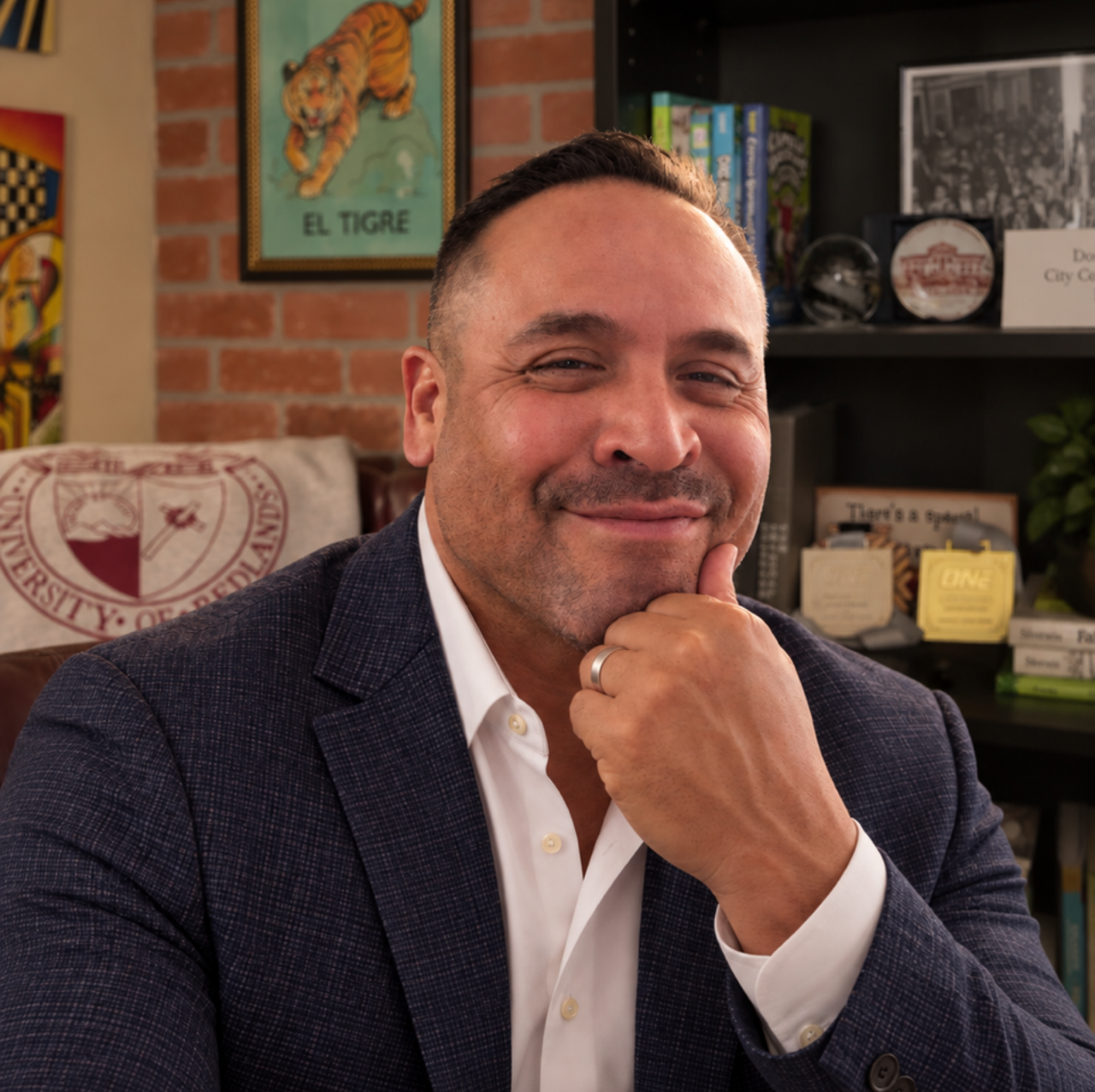
Doug Gonzales is a small business owner and U.S. Marine Corps veteran who is running for Redlands City Council in District 1. Gonzales served 25 years in the Marine Corps and currently chairs the Redlands Parks and Recreation Advisory Commission. His campaign emphasizes public safety, support for small businesses, fiscal responsibility and maintaining the city’s quality of life.
Visit campaign websiteMy goal is simple: protect what makes Redlands special while preparing our city for the challenges and opportunities ahead.
I am running for Redlands City Council because I am a lifelong servant. I bring leadership, business experience, and more than a decade of community service to this effort. As Chair of the Redlands Parks and Recreation Advisory Commission, I have worked closely with residents, city staff, and local leaders on parks, recreation, facilities, budgeting, and long-term community priorities. I also bring 25 years of Marine Corps leadership, experience as a business owner, and an MBA from USC. These experiences have taught me how to lead organizations, manage resources, make difficult decisions, build strong teams, and remain accountable for results. But titles and degrees only matter if you put them to work for people. I’m running to bring that experience to City Hall, listen to residents, ask difficult questions, and focus on practical solutions.
First, public safety must remain a core responsibility of local government. That means ensuring our police and fire departments have the staffing, equipment, technology, and resources they need, while strengthening prevention, emergency preparedness, traffic safety, and neighborhood partnerships.
Second, we need a more aggressive and disciplined investment in Redlands’ aging infrastructure. Residents should not have to choose between good roads, reliable utilities, safe sidewalks, well-maintained parks, and responsible growth. We should prioritize projects based on need, pursue outside funding whenever possible, and ensure new development contributes its fair share toward the infrastructure it impacts.
Third, I want to bring greater focus to fiscal responsibility and accountability. Every city dollar comes from someone who worked for it. We need to measure results, control unnecessary costs, plan responsibly for long-term obligations, and find smart ways to grow revenue without automatically turning to higher taxes or fees.
Finally, we must protect the character and quality of life that make Redlands special. Thoughtful planning, strong neighborhoods, vibrant parks, and responsible growth should work together. These priorities are connected. A financially healthy city can invest in public safety and infrastructure, while strong public services protect property values, attract businesses, and preserve the quality of life our residents value.
Redlands should treat infrastructure the way a responsible homeowner treats a house: maintain what we have, fix problems before they become emergencies, and make sure we can afford to maintain anything new we build.
My first priority would be basic infrastructure: roads, sidewalks, water and sewer systems, storm drainage, traffic signals, and other essential utilities. Deferred maintenance almost always costs taxpayers more, so we need a disciplined capital improvement plan that identifies the highest-risk and highest-use areas and addresses problems before they become expensive failures.
Second, we should invest in infrastructure that improves everyday quality of life and safety. That includes safer intersections and crosswalks, better pedestrian and bicycle connections, improved lighting, and well-maintained parks, playgrounds, recreation facilities, and public spaces. These are not simply amenities; they contribute to public safety, property values, neighborhood pride, and Redlands' overall livability.
Third, growth must help pay for growth. When development places additional demands on roads, utilities, public safety, and city services, development fees and agreements should accurately reflect those impacts rather than shifting costs onto existing residents.
Finally, we should aggressively pursue state, federal, regional, and private grants to stretch local tax dollars further. My philosophy is simple: maintain what we have, prioritize needs, make growth pay its fair share, and plan for long-term costs.
Public safety is the most fundamental responsibility of local government. I’d like to research any imbalances between these organizations based on their respective missions. My priority is ensuring Redlands has the people, equipment, technology, facilities, and training necessary to respond quickly when residents need help.
I also believe we must be smarter about how we allocate those resources. Police and fire are both essential, but their needs are different. Rather than continuing funding simply because “that is how we have always done it,” I would regularly evaluate calls for service, response times, staffing, overtime, equipment needs, population growth, and emerging risks to determine where each public-safety dollar can make the greatest difference.
We need to ensure our Police Department has the staffing and resources to keep pace with Redlands’ growth and increasingly complex demands. That includes adequately staffing patrol and investigations, retaining experienced officers, maintaining traffic enforcement, investing in modern technology, and allowing officers more opportunities to be proactive in our neighborhoods.
For fire and emergency services, we must prepare for wildfire, earthquakes, extreme weather, major traffic incidents, and other disasters while maintaining reliable equipment, strategically located stations, trained personnel, and regularly exercised emergency plans.
Ultimately, my approach is simple: fund the mission, measure results, and adjust when the data tells us we should. Public safety should be driven by results, not tradition or politics.
New development should be judged by clear standards, not by who has the most influence in the room. My Marine Corps experience taught me that standards only have value if they are understood, consistently enforced, and applied equally to everyone. I believe the same principle should guide development decisions in Redlands. Property owners have legitimate rights, and responsible development is necessary for a healthy city. Development can create housing, jobs, investment, and revenue. But those benefits should not come at the expense of existing neighborhoods, inadequate infrastructure, worsening traffic, or projects fundamentally incompatible with surrounding communities.
The standard should be straightforward: Is the project consistent with the General Plan and zoning? Does it respect the character and scale of the surrounding neighborhood? Can our roads, water, sewer, public safety, and other infrastructure support it? Does the developer adequately mitigate the impacts the project creates? And does the project provide a long-term benefit to Redlands?
Predictability also matters. Developers should know the rules before investing, residents should understand what can reasonably be built around them, and standards should not change depending on the project or politics of the moment.
When reasonable people disagree, my responsibility is to listen, examine the facts, apply adopted standards, and make the decision I believe best serves Redlands over the long term. My principle is simple: protect property rights, respect neighborhoods, require development to address its impacts, and apply the same standards to everyone.
The city should prepare for climate-related risks the same way any serious organization prepares for emergencies: identify the threats, build the plan, train the people, exercise the plan, and fix weaknesses before the real emergency arrives.
During my Marine Corps service, I worked in the Emergency Operations Center at Camp Pendleton. One lesson stayed with me: a plan that has never been tested is only paper. For Redlands, wildfire preparedness should include aggressive vegetation management, defensible-space enforcement where appropriate, reliable evacuation routes, coordinated alert systems, and regular joint exercises involving police, fire, public works, utilities, schools, hospitals, and neighboring agencies.
Extreme heat requires a different response: cooling centers, outreach to vulnerable residents, backup power for critical facilities, and contingency plans for prolonged outages.
Drought requires long-term water planning, resilient infrastructure, conservation, groundwater management, and ensuring future development does not outpace our water capacity. I would also regularly test the Emergency Operations Center through realistic tabletop and field exercises. We should know who is in charge, how information moves, how residents are notified, where resources come from, and how essential services continue during prolonged emergencies.
Preparedness is not dramatic when done correctly, and that is the point. My standard is simple: plan early, train realistically, communicate clearly, and never assume yesterday’s emergency plan is good enough for tomorrow’s threat.
We should start with an honest premise: no City Council can simply vote housing prices down. Interest rates, construction costs, insurance, land values, state regulation, and the regional housing market are much larger forces. But the city can make sure it is not unnecessarily making housing more expensive.
My approach would focus on three things: increasing housing opportunities in sensible locations, reducing unnecessary costs and delays, and protecting the character and infrastructure of existing neighborhoods. I would support streamlining permits for projects that already comply with adopted standards. Time is money in construction, and those costs are ultimately passed to buyers and renters. We should have clear requirements, predictable timelines, transparent fees, and accountability when applications are unnecessarily delayed.
I would support responsible infill, accessory dwelling units, housing near appropriate transportation and commercial corridors, and partnerships that create workforce and senior housing. ADUs can provide options for adult children, aging parents, caregivers, or renters without dramatically changing entire neighborhoods.
I would also examine development and impact fees to ensure they are transparent and proportional to actual project impacts, while making sure new development contributes fairly to roads, utilities, parks, and public safety.
My goal is simple: make it easier to build the right housing in the right places, reduce unnecessary costs, and preserve what makes Redlands a place people want to call home.
We should begin with an honest premise: homelessness, hunger, and poverty cannot be solved by City Hall alone. They are connected to housing costs, mental health, substance abuse, unemployment, disability, family instability, and gaps in county, state, and federal services. But Redlands can focus on measurable results.
My approach would be built around three principles: compassion, accountability, and outcomes.
For homelessness, I would support coordinated outreach that identifies individuals, determines what is keeping them on the street, and connects them with appropriate resources: housing, treatment, medical care, employment assistance, veterans’ services, or benefits. But outreach alone is not success. We should ask: How many people entered shelter? How many moved into permanent housing? How many received treatment or employment assistance? And six months later, how many remain housed?
If we spend public money on a program, we should be able to explain what that investment accomplished.
The city should strengthen partnerships with San Bernardino County, nonprofits, hospitals, faith-based organizations, veterans’ groups, and neighboring communities while aggressively pursuing outside funding.
Compassion also means protecting public spaces. Residents should safely use parks, sidewalks, libraries, and business districts while people experiencing homelessness are treated with dignity.
Ultimately, success should be measured by lives improved, not meetings held, money spent, or programs created.
The city’s role should be to create conditions for businesses to succeed, not pick winners and losers. As a business owner, I know entrepreneurs risk their capital, sign leases, make payroll, create jobs, and invest in the community. City Hall should make that investment easier, faster, and more predictable.
First, I would create a true business concierge system. Businesses opening or expanding in Redlands should have one point of contact coordinating planning, building, fire, utilities, licensing, and other departments. Applicants should receive clear requirements, realistic timelines, and regular updates.
Second, I would establish measurable permitting standards and publicly track how long routine permits and plan reviews take. I am not suggesting lowering standards; I am suggesting delivering them more efficiently.
Third, we should strengthen business retention. Before spending heavily on recruiting companies from elsewhere, we should ask existing businesses what is preventing them from expanding or staying in Redlands.
Fourth, the city should identify vacant and chronically underused commercial properties and pursue redevelopment, adaptive reuse, and appropriate temporary uses. Redlands should be easy to invest in but difficult to neglect.
When incentives are appropriate, they should be performance-based, with measurable benefits and taxpayer protections.
My philosophy is simple: make Redlands easy to invest in, difficult to neglect, and worth staying in. Economic development should be measured by businesses retained, properties improved, jobs created, private investment, and a stronger tax base.
If Redlands faced a significant budget shortfall, my first responsibility would be protecting the services residents depend on most: public safety, emergency response, water and sewer reliability, streets and essential infrastructure, and basic maintenance of parks and public spaces.
A budget shortfall should force us to prioritize, not panic. My Marine Corps experience allowed me to remain disciplined under pressure, make difficult decisions with limited resources, and stay focused on the mission when circumstances are not ideal. That same mindset would guide my approach to a city budget crisis.
I would begin by separating essential services from desirable programs. Before discussing tax increases or major service reductions, I would require a serious review of how the city spends money. That means examining overtime, vacant positions, consultants, contracts, administrative duplication, software, travel, discretionary programs, and opportunities to consolidate or rebid services.
I would also use performance-based budgeting. Programs should not automatically receive funding simply because they did last year. We should know what each program costs, what outcome it is intended to produce, and whether it delivers.
On revenue, I would prioritize growing the tax base through business retention, redevelopment, and appropriate commercial investment. I would aggressively pursue state and federal grants and partnerships to stretch local dollars.
My approach is simple: protect the mission, cut waste before services, grow revenue before taxes, and never use temporary money to hide a permanent problem.
Five years from now, I want Redlands to still feel unmistakably like Redlands.
In conversations with residents, I hear the same themes repeatedly: people want Redlands to remain safe, local, charming, and comfortable. They value the character of our neighborhoods, historic downtown, parks, trees, local businesses, and the feeling that Redlands remains a community rather than becoming another growing Southern California city. I do not believe progress requires us to give that up.
Five years from now, I want residents to feel safer in their neighborhoods and confident that police, fire, and emergency services have the resources they need. I want our roads, sidewalks, parks, utilities, and public spaces in better condition because we invested in maintenance before problems became emergencies.
I want a stronger local economy, with thriving small businesses, fewer vacant storefronts, and thoughtful redevelopment of underused properties. Entrepreneurs should see Redlands as a place where they can succeed without changing the character that makes our city special.
I also want growth to be deliberate. New development should fit Redlands rather than force Redlands to fit the development. We should welcome investment, housing, and economic opportunity while protecting neighborhood character, historic resources, open space, and quality of life.
Most importantly, I want residents to say, “Redlands got better without becoming somewhere else.”
That is the balance I would work toward: safer, stronger, better maintained, economically healthier, and unmistakably Redlands.
Sign up for our weekly newsletter