

Politics
No Kings rallies planned across Inland Empire, including Redlands
Demonstrators will gather March 28 at Peace Corner as part of a nationwide day of protests.
Demonstrators will gather March 28 at Peace Corner as part of a nationwide day of protests.

The Bulldogs’ NCAA Division III tournament run ended in the second round with a 114–104 loss to Hood College, finishing a 24–5 season led by a senior core.

Council reverses approval of the Pacific Oaks warehouse project in Live Oak Canyon and cancels a June referendum election.

Council approves revised Craftsman-style project in Historic District despite residents’ warnings that alley access near Kingsbury Elementary poses traffic and safety risks.


REDLANDS, Calif. — The Redlands City Council voted 4–1 on Nov. 18 to approve an eight-unit condominium project on Cajon Street, siding with staff and the Planning Commission despite residents’ concerns that alley access would worsen traffic and safety issues near Kingsbury Elementary School.
The council adopted Resolution 8731, which grants a Tentative Tract Map, Conditional Use Permit and site plan approval for four two-story Craftsman-style buildings at 516 Cajon St. The vacant half-acre site previously held two early-1900s homes that were demolished in the 1970s.
The project will return to the Historic and Scenic Preservation Commission for a required Certificate of Appropriateness before building permits can be issued.
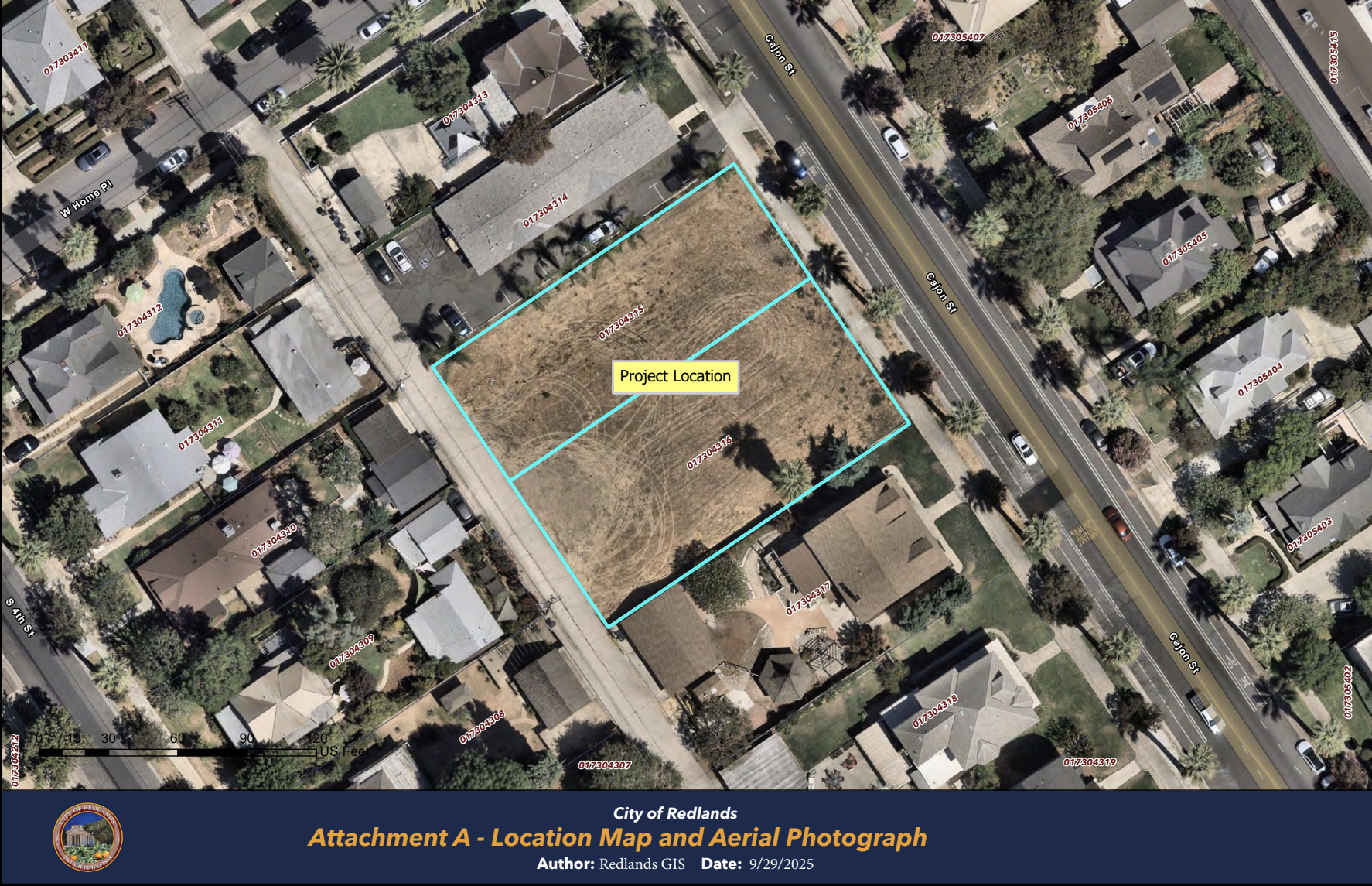
City planners emphasized that the project had undergone substantial revisions after early review by the Historic and Scenic Preservation Commission. The original design was a three-story Spanish-style multifamily building. Following months of requested changes, the applicant reduced the height to two stories, redesigned the structures as four detached buildings, added deeper setbacks, and adopted a Craftsman architectural style intended to align with Historic District No. 3.
Brian Foote, city of Redlands planning manager, said the revised plans were consistent with the city’s historic architectural guidelines and compatible with the surrounding neighborhood’s two- and two-and-a-half-story homes.
Most public testimony focused on the project’s plan to route all vehicle access to the 20-foot-wide rear alley, which also serves existing homes on Fourth Street and several businesses on Cajon.
One resident said the alley is already congested and too close to the northeast corner of Kingsbury Elementary, where children and parents walk daily. He cited a recent pedestrian fatality on Cypress Avenue less than a quarter-mile away and described a near-collision the previous week when two vehicles attempted to enter and exit the alley simultaneously.
“Adding 20 more cars… feels like we’re really overstressing the alley,” he said. “It’s just one lane, there’s no traffic controls, there’s trash bins filling it.” He urged the council to reconsider whether the alley could safely handle additional vehicles from eight units and 16 garage spaces.
Three written comments submitted to the council also opposed the project, citing alley impacts, compatibility with the historic district, and concerns about massing.
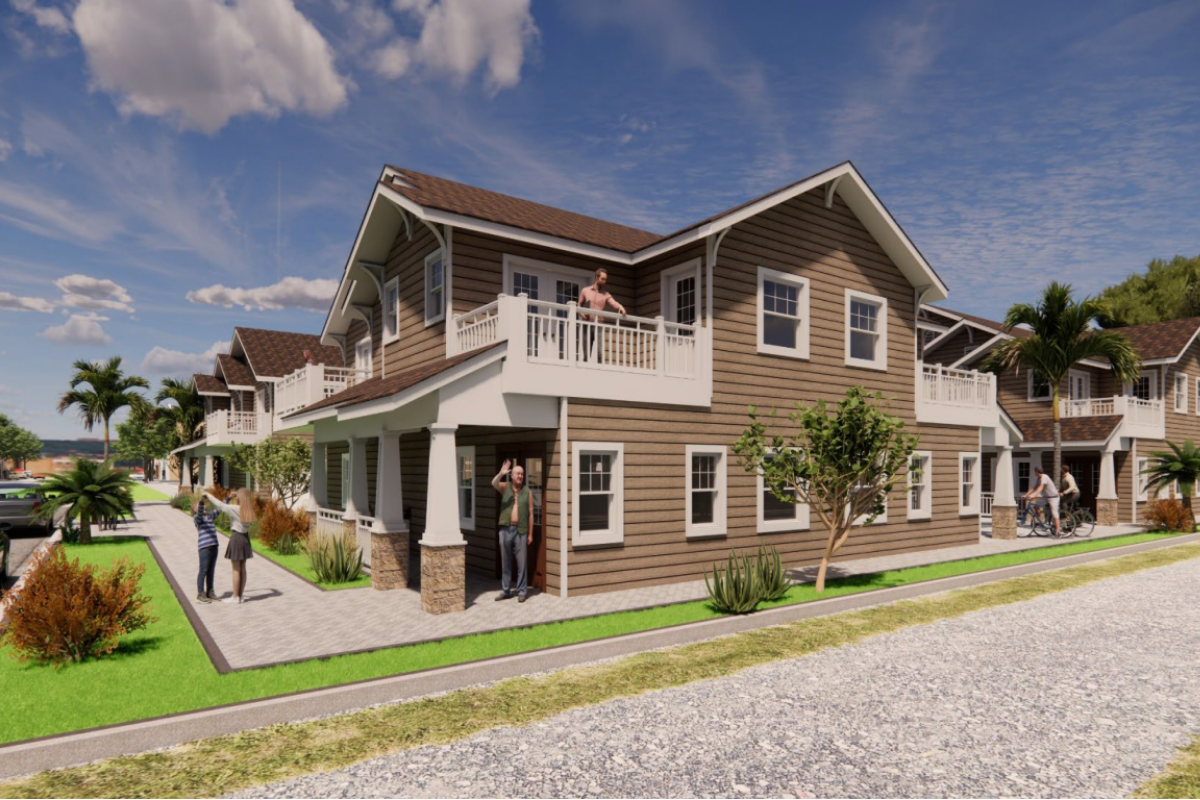
A representative of the applicant told the council the development team had “changed everything” based on direction from the Historic and Scenic Preservation Commission and had reduced the potential density from 14 units to eight.
On the alley issue, he said the city’s engineering study found the additional traffic would amount to “one car over every seven minutes” during peak periods, a level staff described as nominal.
Foote noted that most homes in the district historically take access from alleys, and staff believed continuing that pattern was appropriate. Making the alley one-way, he said, would likely create more problems than it would solve.
Council Member Eddie Tejeda cast the lone dissenting vote, saying he personally drove the alley and found it “really complicated,” particularly when encountering a parked vehicle and another driver exiting an accessory unit.
“I concur with many of the residents… that that is going to be a problem,” Tejeda said, adding that access from Cajon Street would be safer. He argued the council should have authority to require street access, though staff cautioned that the Housing Crisis Act restricts cities from reducing the density of compliant housing projects without specific written findings tied to public health and safety.
Other council members said the applicant had worked extensively to meet historic district requirements and that alley access was consistent with neighborhood patterns. Mayor Mario Saucedo acknowledged the difficulty of navigating some alleys but urged residents to “be able to get along and work together” in shared travel spaces.
Saucedo was joined by Mayor Pro Tem Marc Shaw and council members Denise Davis, and Paul Barich voting in favor of the housing development.
Sign up for our weekly newsletter