Feeding America Riverside San Bernardino — Hunger Action Month

Here’s who’s running for Redlands Unified school board Area 2

Compare Ryan Schavrien, Tiara Richardson and Maria Montes on the issues, campaign finances and endorsements ahead of the Nov. 3 election.

Here’s who’s running for Redlands Unified school board Area 2

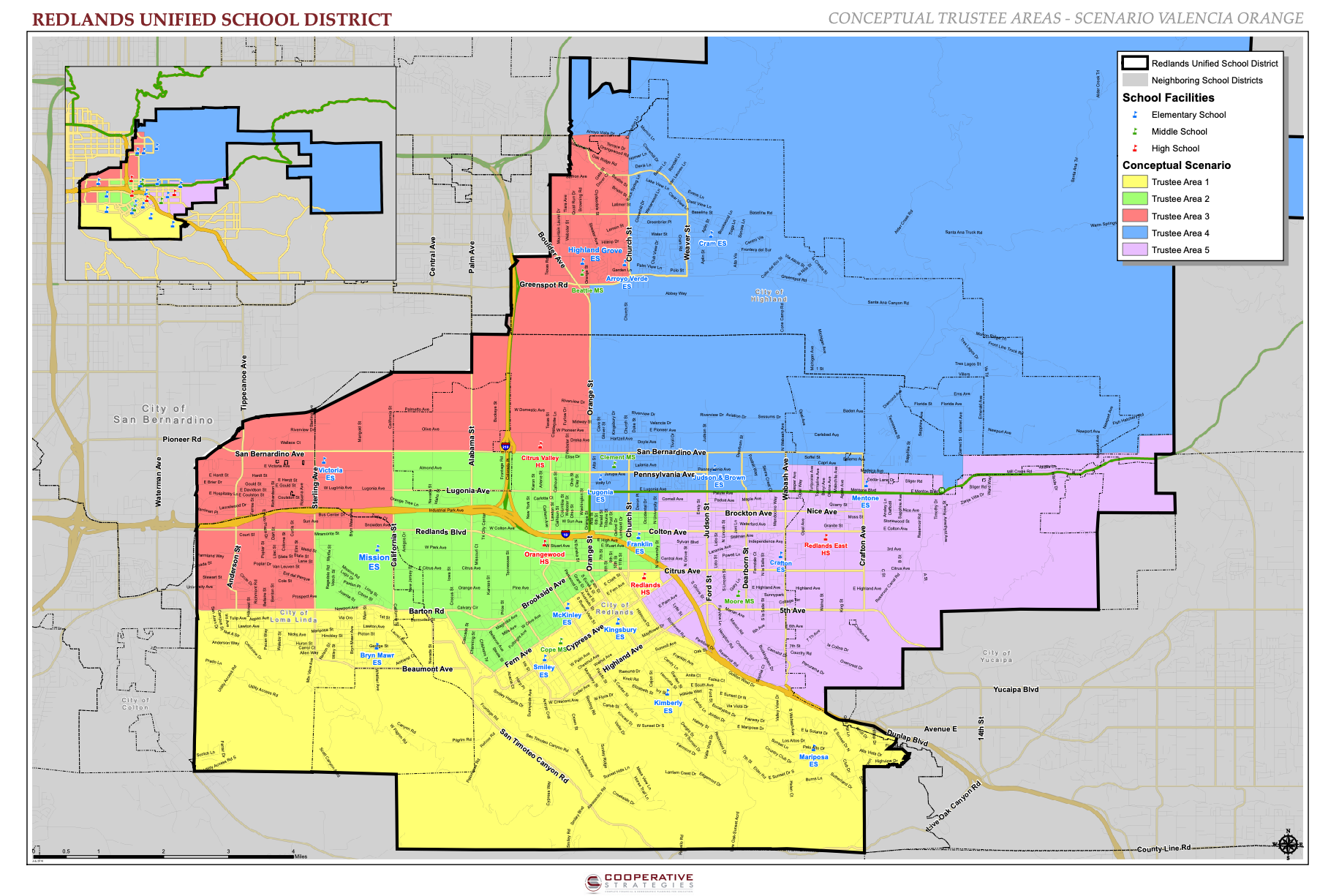
Two seats on the Redlands Unified School Board of Trustees are up for election on Tuesday, Nov. 3, 2026. Seats for Trustee Area 1 (Yellow) and Area 2 (Green) are on the ballot.


Meet the candidates running for Redlands Unified School Board Area 2:

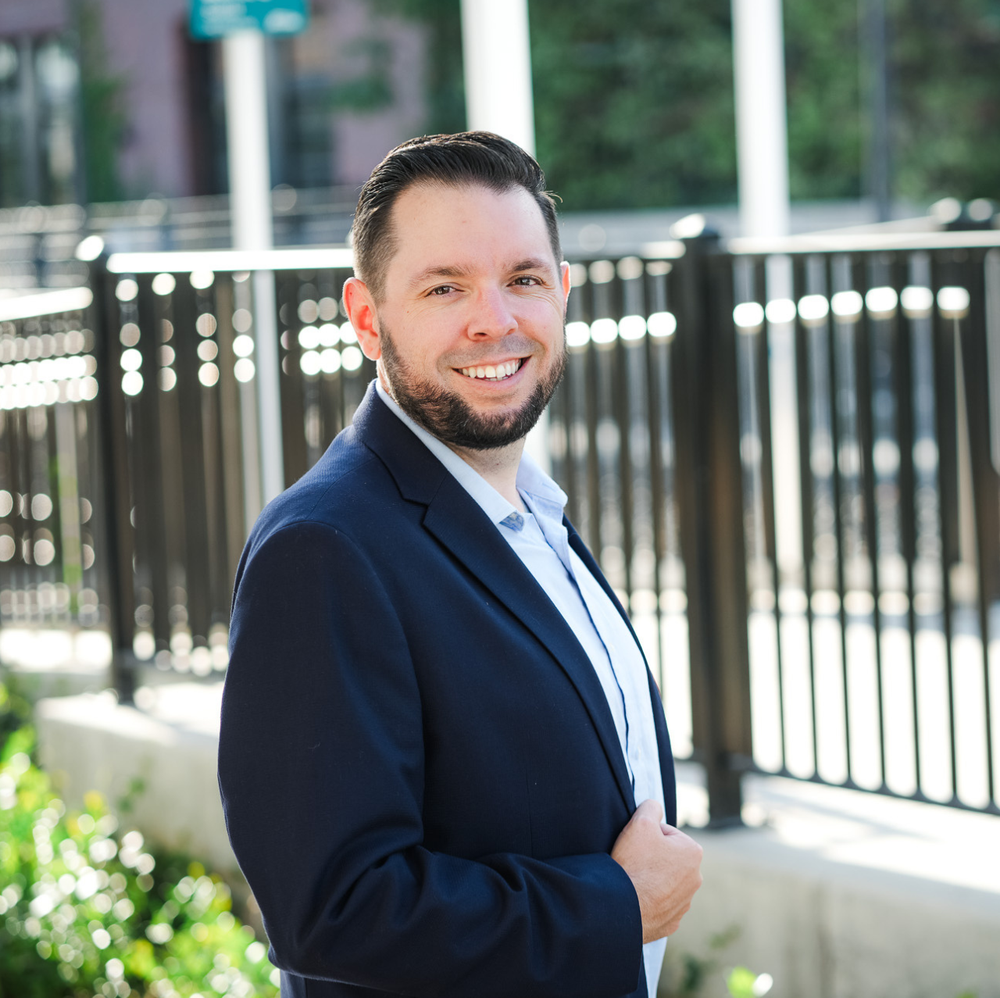
RYAN SCHAVRIEN

Ryan Schavrien

Area 2 • Education Director / Analyst

Ryan Schavrien is a longtime Loma Linda resident and financial analyst for a nonprofit. His campaign says he previously oversaw a $4 million budget for a Local Education Agency school and currently serves on the board of Building A Generation, a Redlands-based nonprofit that provides educational, mental health and family support services. Schavrien, a father of two children attending local schools, says his priorities include student achievement, educator recruitment and retention, and fiscal responsibility.

Visit campaign website
Candidate Q&A
Q: Why are you running for the Redlands Unified Board of Education?

I’m running for the Redlands Unified Board of Education because I believe every student deserves a high-quality public education and the opportunity to succeed. Through my experience serving on a local public school board, I have developed a firsthand understanding of public school funding, budgeting, governance, and the responsibility that comes with decisions affecting students, families, and educators. I want to bring that experience to RUSD.

Our district faces important challenges, including improving student achievement, addressing chronic absenteeism, maintaining fiscal responsibility, and rebuilding trust with our community. These challenges require a board that listens, works collaboratively, asks difficult questions, and stays focused on results.

I also believe our schools should be places where students can learn and thrive without being pulled into political fights. The board should prioritize academic achievement, support educators, maintain safe and welcoming schools, and be responsible stewards of taxpayer dollars.

I’m running because I believe Redlands Unified can do better, and I’m ready to bring a practical, student-first approach to the Board of Education.

Q: What are the three biggest challenges facing Redlands Unified right now, and what would you do to address them?

I believe the three biggest challenges facing Redlands Unified are student achievement, fiscal sustainability, and trust in district leadership.

First, RUSD must improve academic outcomes, particularly in reading and math. I would support early identification of students who are falling behind, targeted intervention and tutoring, stronger use of achievement data, and ensuring teachers have the resources and support they need.

Second, the district must make responsible decisions with taxpayer dollars while protecting core services. RUSD needs a sustainable budget that prioritizes classroom instruction, student support, and programs that demonstrate results. I would support greater transparency, careful evaluation of spending, and long-term financial planning.

Third, the district needs to rebuild trust with students, families, educators, and the community. That starts with listening, communicating clearly, and treating people with respect, even when there are disagreements.

Board meetings should ultimately be about governing the district and improving outcomes for students. I would bring a collaborative approach focused on solving problems, measuring results, and putting students first.

Q: Redlands Unified continues to face challenges in student achievement, particularly in reading and math since the COVID-19 pandemic. What specific steps would you support to improve academic outcomes across the district?

Improving student achievement requires identifying where students are struggling and providing support before they fall further behind. I would support a districtwide focus on strong foundational reading and math skills, with additional intervention for students who need it. RUSD should use assessment data consistently to identify learning gaps, monitor progress, and target resources where they will have the greatest impact. That should include high-quality tutoring and small-group instruction, particularly in early literacy and mathematics.

Teachers also need the training, resources, and time necessary to support different learning needs in their classrooms. I would support professional development grounded in evidence-based instructional practices and opportunities for teachers to share strategies that are producing results. We also need to measure whether our investments are actually improving outcomes. RUSD should regularly evaluate achievement data by school and student population, identify successful programs, and direct resources toward what works.

Every student deserves the support needed to read proficiently, master mathematics, and graduate prepared for their next step. Academic achievement should be one of the district’s highest priorities.

Q: Redlands Unified, like many California school districts, has struggled with chronic absenteeism since the COVID-19 pandemic. What would you do to improve attendance?

Improving attendance starts with understanding why students are missing school. Chronic absenteeism can be driven by transportation challenges, illness, family circumstances, academic struggles, disengagement, or students feeling that they do not belong. RUSD should identify those barriers early and work with families and students on solutions.

I would support an early-warning approach that identifies students at risk of becoming chronically absent and connects them with appropriate support before the problem becomes entrenched. Schools should communicate with families early and consistently rather than waiting until a student has accumulated a significant number of absences.

We also need to make school a place students want to attend. Strong relationships with teachers and staff, engaging instruction, extracurricular opportunities, counseling and mental health support, and a safe and welcoming environment can all contribute to better attendance.

The district should track attendance by school and student population to identify where interventions are working and where additional resources are needed. I would measure progress by reductions in chronic absenteeism, particularly among students and schools experiencing the greatest challenges.

Every day a student is in school is another opportunity to learn, explore, and succeed.

Q: When the district faces competing demands and limited resources, which programs or services would you prioritize in the budget, and why?

When resources are limited, RUSD should prioritize services with the greatest direct impact on students, including classroom instruction, teachers and support staff, special education, student safety, and programs that improve academic achievement.

We cannot balance the district’s budget on the backs of our most vulnerable students. Students with disabilities, English learners, low-income students, and students struggling academically often need additional resources, not fewer. I would protect evidence-based interventions, tutoring, special education services, counseling, and other supports that help these students succeed.

At the same time, fiscal responsibility requires difficult choices. Every program and expenditure should be evaluated based on student need, effectiveness, and cost. Before reducing services for students, the district should carefully review administrative expenses, duplication, inefficiencies, and lower-priority spending.

I would support transparent, long-term financial planning that accounts for enrollment, state funding, staffing needs, and future obligations. A balanced budget is important, but how we balance it matters.

Our goal should be a sustainable budget that protects students today without creating larger financial problems tomorrow.

Q: RUSD has faced several incidents of racial harassment involving students, including incidents substantiated through district investigations. The district now faces a civil rights lawsuit alleging it failed to adequately protect two Black students from repeated harassment. What should the district do to prevent and respond to racism and discrimination in its schools, and how would you evaluate whether those efforts are working?

Every student deserves to attend school free from racism, harassment, and discrimination. RUSD must take reports of racial harassment seriously, respond promptly, and ensure students and families know how to report concerns and what happens afterward.

Prevention starts with clear expectations for student behavior, consistent enforcement of district policies, and training for staff on recognizing and responding to racial harassment. When incidents occur, the district should investigate them promptly and thoroughly, protect students from retaliation or continued harassment, communicate appropriately with affected families, and take appropriate corrective action when misconduct is substantiated.

Policies are only meaningful if they are consistently enforced. The district should also examine whether there are patterns in where and how incidents occur rather than treating each report as an isolated event.

I would evaluate progress using measurable outcomes, including reported and substantiated incidents, response times, repeat incidents, student climate surveys, and whether students report feeling safe and respected at school.

If the data show that current approaches are not working, the district should change course. Students and families deserve accountability, transparency, and confidence that concerns will be taken seriously.

Q: Debates over library books, Pride flags, gender identity and parental rights have been prominent at Redlands Unified school board meetings in recent years. What role do you believe the school board should play in these issues, and what principles would guide your decisions?

The school board should focus on educating students, supporting teachers, keeping schools safe, and respecting the rights of students and families. It should not use its authority to impose political preferences on what students can read or which important events schools can recognize.

I do not believe RUSD should ban books simply because some parents or community members object to their content. Parents should have a meaningful voice in their child’s education, but one family’s objection should not determine what is available to every student.

Age-appropriate materials should be evaluated based on educational value and established district policies. I also believe schools should be able to recognize important federal, historical, and cultural observances, including Veterans Day, Memorial Day, Black History Month, Hispanic Heritage Month, and Native American Heritage Month, as well as Pride Month.

My decisions would be guided by student safety, academic value, the law, parental involvement, and respect for every student. The board should listen to the community, but ultimately make decisions based on what best serves students rather than political pressure.

Endorsements identified by CFR
Labor unions
  • Redlands Teachers Association
  • Redlands Education Support Professionals Association
  • Ironworkers Local 416
  • Ironworkers Local 433
  • Teamsters Local 1932
Political groups & PACs
  • Together for Redlands Political Action Committee (also gave $250 to the campaign)
  • San Bernardino County, Calif., Young Democrats
  • Forward Party of California
  • Forward California
  • Run for Something
Advocacy organizations
  • Planned Parenthood of Orange and San Bernardino Counties’ Community Action Fund
  • School Board Integrity Project
Sway voting groups
  • The Next Generation of American Leaders (Sway voting group by Run for Something)
  • Vote with Nico! (Sway voting group by Nicolas Sierra Beltran)

Source: Ballotpedia, as of Sept. 16, 2026. An endorsement is a statement of support and does not by itself mean money was given.


NAME

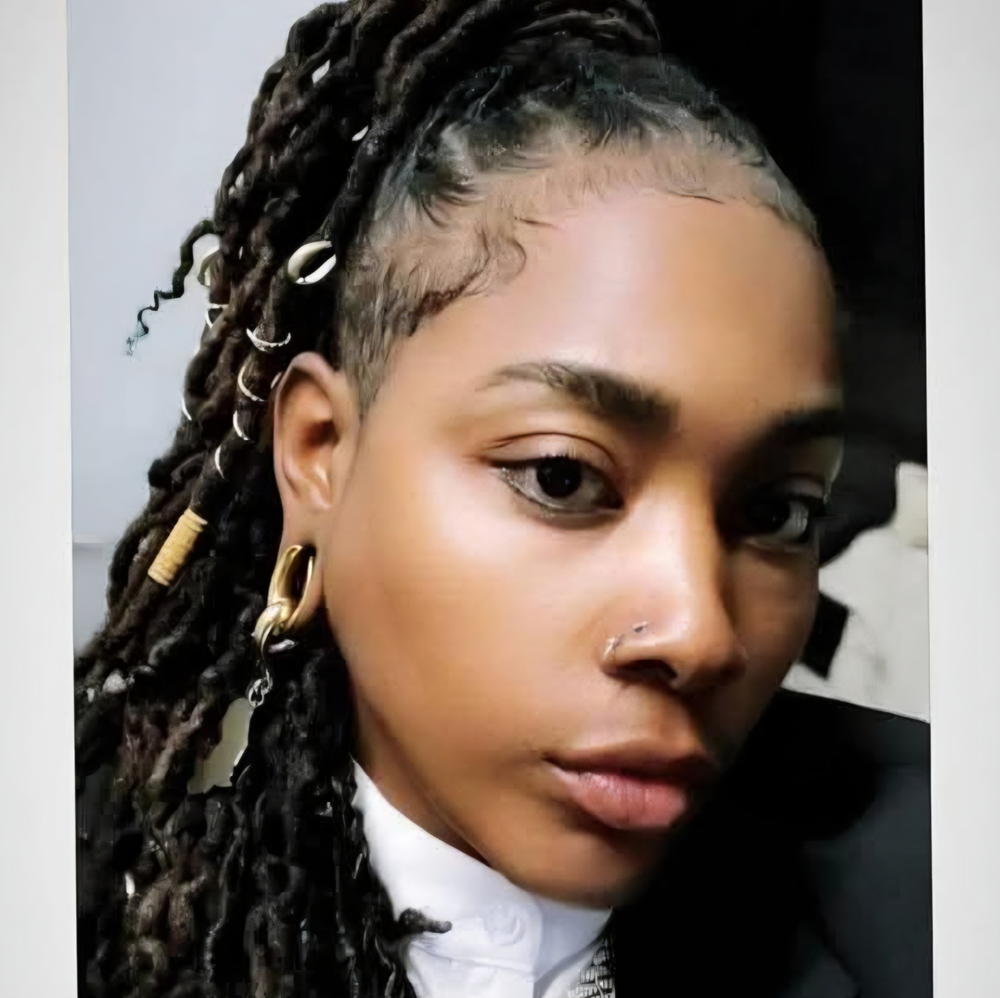
Tiara Richardson

Area 2 | Education Consultant

Tiara Richardson is an education consultant with more than a decade of experience in education and organizational leadership, including roles in student services, school administration, after-school programs and classroom teaching. Richardson, who leads Richardson’s Education Consulting, is also a member of the Redlands Chamber of Commerce’s 2026 Leadership Redlands class.

Candidate Q&A
Q: Why are you running for the Redlands Unified Board of Education?

I am running for the Redlands Unified Board of Education because our community is ready for meaningful change. Too many families are carrying the trauma and fatigue of feeling unheard, overlooked, or disconnected from the district. Rebuilding parent trust must be a priority.

Every student deserves to feel heard, valued, represented, and safe at school. Safety is not only about campus security. It is also about creating an environment where students feel respected, supported, and comfortable asking for help.

Throughout my career in education, I have worked directly with students, families, teachers, and school leaders. I understand student culture and the importance of bridging the gap between how students experience school and how adults design policies, programs, and discipline systems.

Representation matters. Our Board should reflect the voices, experiences, and needs of the entire Redlands community. I am running to bring a fresh perspective, restore trust, strengthen safety, and ensure decisions are made with students and families, not simply for them. It is time for change that our community can see, feel, and believe in.

Q: What are the three biggest challenges facing Redlands Unified right now, and what would you do to address them?

The three biggest challenges facing Redlands Unified are the lack of trust in the school system, the lasting trauma caused by past hardships, and the continued feeling among marginalized students and families that their voices are not heard or respected.

To rebuild trust, I would support greater transparency, clear communication, and meaningful opportunities for families to participate in decisions before they are made. Trust must be earned through honesty, accountability, and consistent action.

We must also acknowledge the trauma and fatigue many students, families, and staff continue to carry. I would advocate for trauma-informed practices, stronger mental health support, and safe ways for people to share their experiences without fear of being dismissed or retaliated against.

Finally, every student and family must feel represented. I would create regular listening sessions, strengthen student and parent advisory groups, and ensure marginalized communities have a meaningful voice in district policies and priorities. Redlands Unified needs leadership that listens, understands student culture, and turns community concerns into measurable change.

Q: Redlands Unified continues to face challenges in student achievement, particularly in reading and math since the COVID-19 pandemic. What specific steps would you support to improve academic outcomes across the district?

Improving student achievement requires us to make learning exciting, relevant, and connected to the world students live in today. I would support innovative teaching strategies that connect reading and math to technology, career pathways, real-world problem-solving, and students’ personal interests.

Teachers must also receive regular, meaningful professional development that keeps them current on research-based practices within their subject areas. Training should be practical, supported through coaching, and based on student data so educators have the tools and resources to meet different learning needs.

I would also strengthen early academic interventions, tutoring, and small-group instruction for students who need additional support. Progress should be monitored regularly so we can identify learning gaps early and adjust our approach instead of waiting for students to fall further behind.

Most importantly, students deserve a voice in how they learn. We should regularly ask what helps them stay engaged, what creates barriers, and what support they need. When students feel included, understood, and excited about learning, attendance, participation, and academic achievement can all improve.

Q: Redlands Unified, like many California school districts, has struggled with chronic absenteeism since the COVID-19 pandemic. What would you do to improve attendance?

To improve attendance, we must first ask the right question: Why are students not attending? Attendance data can identify patterns, but numbers alone cannot explain what students and families are experiencing. We need qualitative data, listening sessions, surveys, and honest conversations with families to understand the real causes.

Students may be facing transportation challenges, housing instability, mental health concerns, bullying, family responsibilities, or a learning environment that no longer feels engaging. Once we understand those barriers, the district can connect families with targeted resources and support instead of relying primarily on consequences.

We must also make school exciting again. Students should have a voice in what draws them to school and helps them feel connected. Career pathways, hands-on learning, clubs, mentorship, athletics, and real-world experiences can give students a stronger reason to attend.

Finally, education should not be one-size-fits-all. I would support flexible options, including independent study and hybrid learning models, when they better meet a student’s needs. Improving attendance begins with listening, removing barriers, and creating learning environments where students feel safe, supported, and motivated to participate.

Q: When the district faces competing demands and limited resources, which programs or services would you prioritize in the budget, and why?

When resources are limited, the budget must prioritize the services that directly affect students’ safety, access, and academic success.

Student safety would be a top priority. Students cannot learn when they do not feel physically or emotionally safe. This includes campus security, mental health support, effective emergency procedures, and positive school climates.

I would also prioritize safe, clean, and well-maintained facilities. The condition of our classrooms, restrooms, athletic spaces, and school grounds communicates how much we value our students and staff.

Academic supports and early interventions must remain protected, especially in reading and math. Tutoring, small-group instruction, counseling, and progress monitoring help address learning gaps before students fall further behind.

Special education services must also be fully supported. Students with IEPs and 504 Plans deserve timely evaluations, appropriate services, qualified staff, and individualized support that allows them to succeed.

Every budget decision should be transparent, data-informed, and evaluated for its direct impact on students. I would also seek community partnerships, grants, and outside funding so essential programs are protected without placing the entire burden on the district’s general fund.

Q: RUSD has faced several incidents of racial harassment involving students, including incidents substantiated through district investigations. The district now faces a civil rights lawsuit alleging it failed to adequately protect two Black students from repeated harassment. What should the district do to prevent and respond to racism and discrimination in its schools, and how would you evaluate whether those efforts are working?

As a Black woman, this issue is deeply personal to me. Every student deserves to attend school without being targeted because of their race. This is also why representation matters. Black students, families, educators, and community members must have a meaningful voice in shaping district policies and evaluating whether Black students are being treated fairly, with dignity and respect.

The district must establish clear reporting procedures, respond immediately to complaints, protect students from retaliation, communicate consistently with families, and provide appropriate emotional and academic support. Staff must receive ongoing training on identifying, preventing, documenting, and responding to racial harassment. Accountability must be consistent at every school, regardless of who is involved.

To determine whether these efforts are working, I would review incident reports, response times, repeat complaints, disciplinary outcomes, and school climate data, all separated by race and school site. I would also hold regular listening sessions and use anonymous surveys to hear directly from students and families.

Success cannot be measured only by fewer reported incidents. It must also be reflected in more students feeling safe, respected, heard, and confident that adults will protect them.

Q: Debates over library books, Pride flags, gender identity and parental rights have been prominent at Redlands Unified school board meetings in recent years. What role do you believe the school board should play in these issues, and what principles would guide your decisions?

The school board’s role is to ensure that every student is safe, respected, represented, and provided access to an inclusive education. Decisions should be guided by the law, educational standards, student well-being, and the district’s responsibility to serve all families, not by the personal beliefs of individual board members.

Parents deserve transparency, opportunities to ask questions, and a meaningful voice in their children’s education. At the same time, one family’s beliefs should not remove resources, representation, or a sense of belonging from another child.

Library materials should be age-appropriate, educationally relevant, and reviewed through a clear, consistent process led by qualified professionals. Books should not be removed simply because they discuss race, gender identity, different families, or experiences that some people may find uncomfortable.

Pride flags and other inclusive symbols can communicate to students that they are seen and safe. No student should feel ashamed, excluded, or targeted because of who they are.

My decisions would be guided by safety, dignity, fairness, parental engagement, intellectual freedom, and respect for every student. The Board should lower division, protect students, and keep education at the center of every decision.

Campaign finance: Community Forward Redlands did not find campaign finance reports filed for Richardson as of Sept. 16. Richardson also does not appear to have a campaign website.


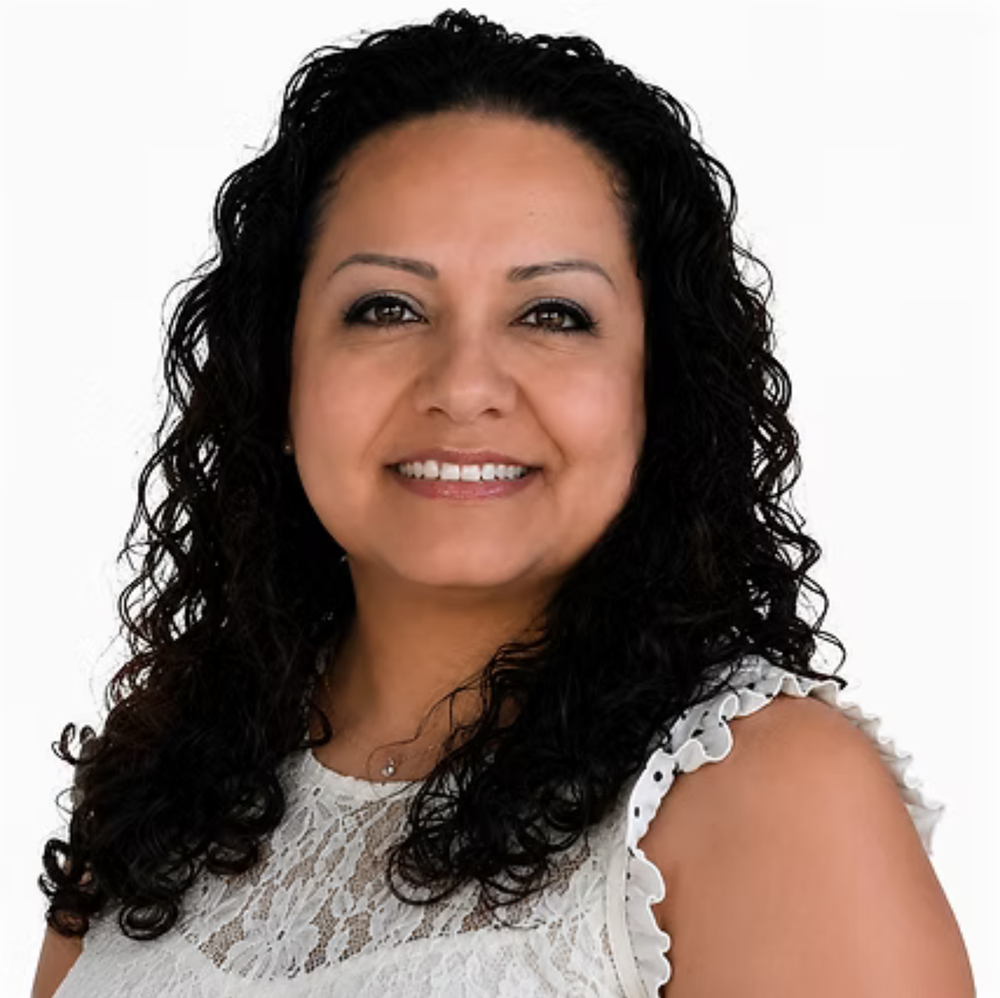
MARIA MONTES

Maria Montes

Area 2 | Paralegal / Instructor / Mother

Maria Montes is a paralegal and mother of four who has lived in the Redlands Unified School District community since 2009. A former Bryn Mawr Elementary School Site Council member, Montes says her priorities include strengthening academics, expanding career and technical education and dual-language programs, teaching personal finance and increasing district transparency and accountability.

Visit campaign website
Candidate Q&A
Q: Why are you running for the Redlands Unified Board of Education?

I am running because I am a mom first. All four of my children have attended Redlands public schools, and two have graduated from the district. I have experienced our district firsthand as a parent, and the future of our schools is personal to me.

I am a first-generation American raised by Spanish-speaking immigrant parents who had no formal education. They came to this country and raised eight children with strong family values. They taught us familia, faith, hard work, respect, responsibility, and to never take education for granted.

Today, AI and technology are changing the workforce. College is a great path, but it is not for everyone. Skilled trades, apprenticeships, technical careers, and military service are also honorable pathways to success.

I want to strengthen academics while expanding hands-on CTE, dual enrollment, personal finance knowledge, life skills, and career opportunities. The district's responsibility does not end when a student receives a diploma. We should prepare them to become responsible, independent adults who can support themselves, their families, and contribute to their community.

I am running to bring a parent's perspective, common sense, accountability, and strong family values to the board.

Q: What are the three biggest challenges facing Redlands Unified right now, and what would you do to address them?

The three biggest challenges I see are academic achievement, preparing students for life after graduation, and strengthening trust and partnership with parents. We need to keep our focus on our students, their education, and their future.

First, we need to continue strengthening the fundamentals: reading, writing, math, science, and critical thinking. I support the district’s goals of literacy by third grade and math interventions for middle school students who need additional support. We should also continue strengthening dual immersion programs, giving students the opportunity to become bilingual and biliterate.

Second, we need to give students more opportunities to discover what they are good at and what path is right for them. College is a great option, but it is not the only path to success. We should expand hands-on CTE, skilled trades, dual enrollment, apprenticeships, career pathways and military service for students who want to serve our country.

Third, the current board goals provide a strong foundation. We should continue building on those goals while strengthening parent involvement and accountability.

Q: Redlands Unified continues to face challenges in student achievement, particularly in reading and math since the COVID-19 pandemic. What specific steps would you support to improve academic outcomes across the district?

We need to continue our focus on students and strengthen the fundamentals: reading, writing, math, science, and critical thinking. These are the foundations of a strong education and should remain at the center of what we do.

Our teachers are working hard every day to help students succeed, and we need to continue supporting them with the resources and tools they need.

At the same time, we must continue looking for ways to improve, especially when students are falling behind in reading and math. I support identifying struggling students early and providing targeted intervention and tutoring before they fall further behind.

Parents should also receive clear and timely information about their child's academic progress so they can work with teachers when additional help is needed. We should build on what is already working. The board has established important academic goals, and I want to continue those efforts and grow successful programs.

Q: Redlands Unified, like many California school districts, has struggled with chronic absenteeism since the COVID-19 pandemic. What would you do to improve attendance?

Improving attendance requires early communication, parent involvement, accountability, and understanding why a student is missing school in the first place. We should not wait until a student becomes chronically absent to act. Schools should identify concerns early, communicate directly with parents, and work together to find solutions. Families may be dealing with transportation, health, bullying, academic struggles, or other challenges.

I also believe personal connection matters. When the security gates were installed at our schools, I personally felt some of the connection between parents and the school change. I understand and support the importance of keeping our campuses safe, but we should also make sure parents continue to feel welcomed, involved, and connected.

Many of our teachers do a great job communicating and finding ways to interact with parents, and I appreciate those efforts. We need to build on what is working while reaching the families who may still be missing that connection.

Attendance is a shared responsibility. Parents, students, teachers, and the district all have a role. Stronger relationships can help us identify concerns earlier and keep students where they belong: in the classroom, learning and succeeding.

Q: When the district faces competing demands and limited resources, which programs or services would you prioritize in the budget, and why?

My parents came to this country with no formal education and raised eight children, so I learned early that there is a difference between what you want and what you truly need. I believe we should take that same common-sense approach when spending taxpayer dollars.

My first priority would be the classroom: focusing on reading, writing, math, and science, while supporting our teachers, special education, student safety, and students who are falling behind. I would also prioritize CTE, dual enrollment, personal finance, life skills, and hands-on career opportunities. College is an important option, but there are other successful paths. We need to make sure students graduate with practical skills that prepare them for the real world.

As a paralegal, taxpayer, and mother, I believe in being responsible with the resources entrusted to us. We need to be smart with district funds, budget responsibly, and plan ahead so we can protect the programs and services our students need. I would carefully review administrative spending, evaluate whether programs are producing results, and expect transparency and accountability for how taxpayer dollars are spent.

Q: RUSD has faced several incidents of racial harassment involving students, including incidents substantiated through district investigations. The district now faces a civil rights lawsuit alleging it failed to adequately protect two Black students from repeated harassment. What should the district do to prevent and respond to racism and discrimination in its schools, and how would you evaluate whether those efforts are working?

Every student should feel respected, supported, and able to focus on learning. Maintaining that environment requires consistent expectations, communication, and accountability. I believe we should see our students for who they are as individuals, without allowing race or skin color to define them. The same expectations, respect, and opportunities should apply to every student.

When concerns about racism, harassment, bullying, or discrimination are reported, they should be taken seriously, investigated fairly, and handled according to district policy and the law. When misconduct is substantiated, there should be appropriate accountability.

Our schools should bring students together, not divide them. Every student deserves dignity, respect, equal treatment, and the opportunity to receive an excellent education.

Q: Debates over library books, Pride flags, gender identity and parental rights have been prominent at Redlands Unified school board meetings in recent years. What role do you believe the school board should play in these issues, and what principles would guide your decisions?

I believe every student is their own unique person and deserves dignity and respect. Our responsibility as a school district is to provide a strong education, a safe learning environment, and opportunities for every student to grow and succeed. Parents are the first and most important teachers in a child's life. Schools have an educational responsibility, while parents have the primary responsibility for raising their children. Parents should know what their children are being taught, have access to curriculum and instructional materials, and be included in important matters involving their children.

Issues involving Pride flags or gender identity can involve deeply personal experiences. Students are who they are, and that does not change our responsibility to them. Every student deserves the same opportunity to learn, grow, and succeed. When controversial issues arise, the district's responsibilities should remain clear: educate our students, prepare them for life after graduation, treat every student with dignity and respect, and respect parents' rights and student privacy.

Books and instructional materials should be evaluated based on age appropriateness, academic purpose, district policy and parental desires respected.

Endorsements identified by CFR
Endorsed by
  • Awaken Redlands

An endorsement is a statement of support and does not by itself mean money was given.


Great! You’ve successfully signed up.

Welcome back! You've successfully signed in.

You've successfully subscribed to Community Forward Redlands News.

Success! Check your email for magic link to sign-in.

Success! Your billing info has been updated.

Your billing was not updated.